The leading centre of excellence in innovative Postgraduate and Executive Programmes.

+263 292 282842

Registered Member Of The



The leading centre of excellence in innovative Postgraduate and Executive Programmes.
The Graduate School of Business Sciences which was established in 1997, with the assistance of Birmingham University in the UK, is a unit within the Faculty of Business and Economic Sciences at National University of Science and Technology (NUST), Bulawayo, Zimbabwe. NUST was established as a legal entity on the 21st December 1990 when the National University of Science and Technology Act, 1990: Section 4 was published in the Government Gazette.
To become the leading centre of excellence in innovative Postgraduate and Executive Programmes.
To contribute positively in partnership with the Private Sector, towards the advancement of humanity through the Education and Training of Highly Skilled and Competent Graduates.
The aims of the School are as follows:
(a) To produce innovative, creative, entrepreneurial and techno-driven world-class students.
(b) To equip managers with theory, practical knowledge and skills to compete in this increasingly complex and highly competitive digital era.
(c) To train managers to embrace a workforce from diverse backgrounds and cultures.
(d) To produce well-rounded graduates of integrity who are sought after across the globe.
The GSBS aims to generate impactful research that addresses the unique challenges and opportunities that businesses face in Zimbabwe and across the African continent, while also contributing to the development of innovative, entrepreneurial, and technologically savvy leaders. The research focuses on the effectiveness of Heritage-Based Education 5.0 in developing ethical, socially responsible, and culturally grounded business leaders; Emerging Technologies in the Fourth Industrial Revolution; Strategic Management in the African Context; Sustainable Business Practices; Entrepreneurship and Innovation; Digital Transformation; and Leadership Development, among others. The school also emphasises collaborative research, working with industry, government, and other academic institutions to maximise the impact of its findings.
The GSBS is committed to disseminating research findings through peer-reviewed journal publications, academic conference presentations, policy briefs, and industry practitioner workshops. The school also actively engages with the media and the general public to raise awareness of its research and contribute to informed public discussion about business issues in Zimbabwe and Africa.
The Graduate School of Business Sciences realises the importance of teaming up and working together with the community to solve societal challenges. In order to meet this objective, the School is actively involved in various activities such as workshops, symposiums, seminars, conferences, breakfast meetings among others.to bridge the gap between industry and academia.
The Graduate School of Business Sciences at the National University of Science and Technology in Zimbabwe excels in promoting innovation, industrialisation, and digital transformation within our students. With a dynamic curriculum combining advanced research and practical applications, we aim to prepare our students for success in the modern business world. The school focuses on integrating new technologies and fostering an entrepreneurial mind set to empower future business leaders with expertise in adapting to industrial and digital changes.
The Graduate School of Business Sciences seeks to create an environment for sustainable development and growth for all stakeholders by identifying new opportunities, forming partnerships, and adding value. In its business development plans, the School intends to embark on joint research programmes, create strategic business partnerships whereby critical thinking, innovativeness and an entrepreneurial mind-set are employed to proffer solutions to industry challenges. Through other business development programmes, the School intends to increase its capabilities and expand its reach to achieve financial and strategic goals.
This cluster advances research on building vibrant, inclusive, and innovation-driven entrepreneurial ecosystems in emerging markets. It focuses on start-ups, SMMEs, and digital entrepreneurship, examining funding models, venture capital access, and alternative finance mechanisms that unlock enterprise growth. The cluster also explores inclusive and community-based entrepreneurship, with particular emphasis on skills development, capability building, and empowering marginalised groups. By integrating research, policy engagement, and industry collaboration, the cluster develops practical tools to support enterprise creation, scale-up, and sustainability. Its work informs entrepreneurship and innovation policy, strengthens curriculum design, and enhances management education. Through high-quality scholarly outputs and applied research, the cluster contributes to economic transformation, job creation, and competitive small business development, positioning the Business School as a leader in entrepreneurship research within emerging economies.
Cluster members
Lead: Prof. Takawira Munyadzi Ndofirepi
Prof. Gwendoline Vusumuzi Nani
This cluster examines how strategic leadership, governance, and ethical decision-making drive sustainable competitive advantage and organisational success. It integrates corporate strategy, digital strategy, and customer analytics with organisational culture, talent management, and change leadership. The research emphasises context-specific strategic management and marketing frameworks tailored to developing economies, particularly for SMMEs and public institutions. The cluster develops strategic models suited to diverse market environments, producing practical toolkits for management capacity-building and organisational transformation. By bridging theory and practice, it enhances marketing competitiveness, institutional effectiveness, and long-term sustainability. Its outputs include scholarly publications, applied frameworks, and executive training programmes that strengthen leadership capability and performance across sectors.
Cluster members
Lead: Dr. Lizanani Nleya
Dr. Tenson Nyoni
This cluster explores how digital transformation, AI, machine learning, and Industry 4.0 technologies reshape business strategy and value creation. It focuses on digital platforms and ecosystems, automation, marketing analytics, customer intelligence, and data-driven decision-making. Strong emphasis is placed on data governance, cybersecurity, and the ethical use of digital technologies. The cluster generates high-impact research and postgraduate scholarship while developing practical digital strategies and analytics frameworks for organisational competitiveness. It supports industry partnerships and digital transformation initiatives by providing actionable insights on technology-enabled innovation. Through executive education and applied research, the cluster strengthens digital leadership capacity and equips organisations to compete effectively in data-driven economies.
Cluster Members
To be considered for admission, a candidate should normally hold a minimum of a First Degree in relevant areas plus at least two years’ Postgraduate work experience.
|
Employability |
Managers, Leaders in both Private and Public Sector |
|
Further studies |
PhD |
To be considered for admission to the MBA Degree Programme an applicant should normally have:
Career Prospects and Further Studies
|
Employability |
Managers and leaders in both Private and Public Sector |
|
Further studies |
PhD |
To be considered for admission to the BASM Degree Programme, an applicant
should normally:
Career Opportunities and Further Studies
|
Employability |
Managers and leaders in both Private and Public Sector |
|
Further studies |
PhD |

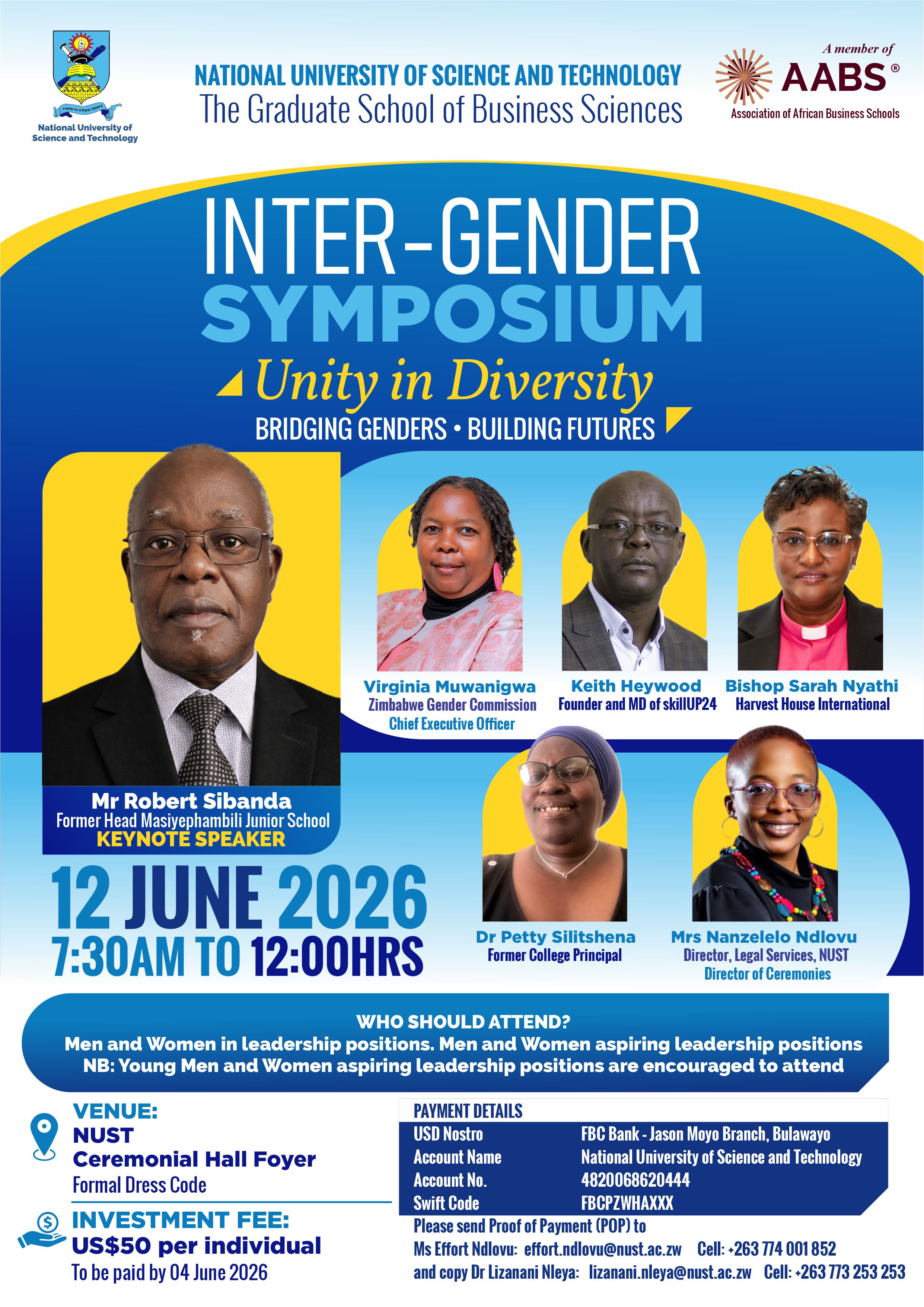

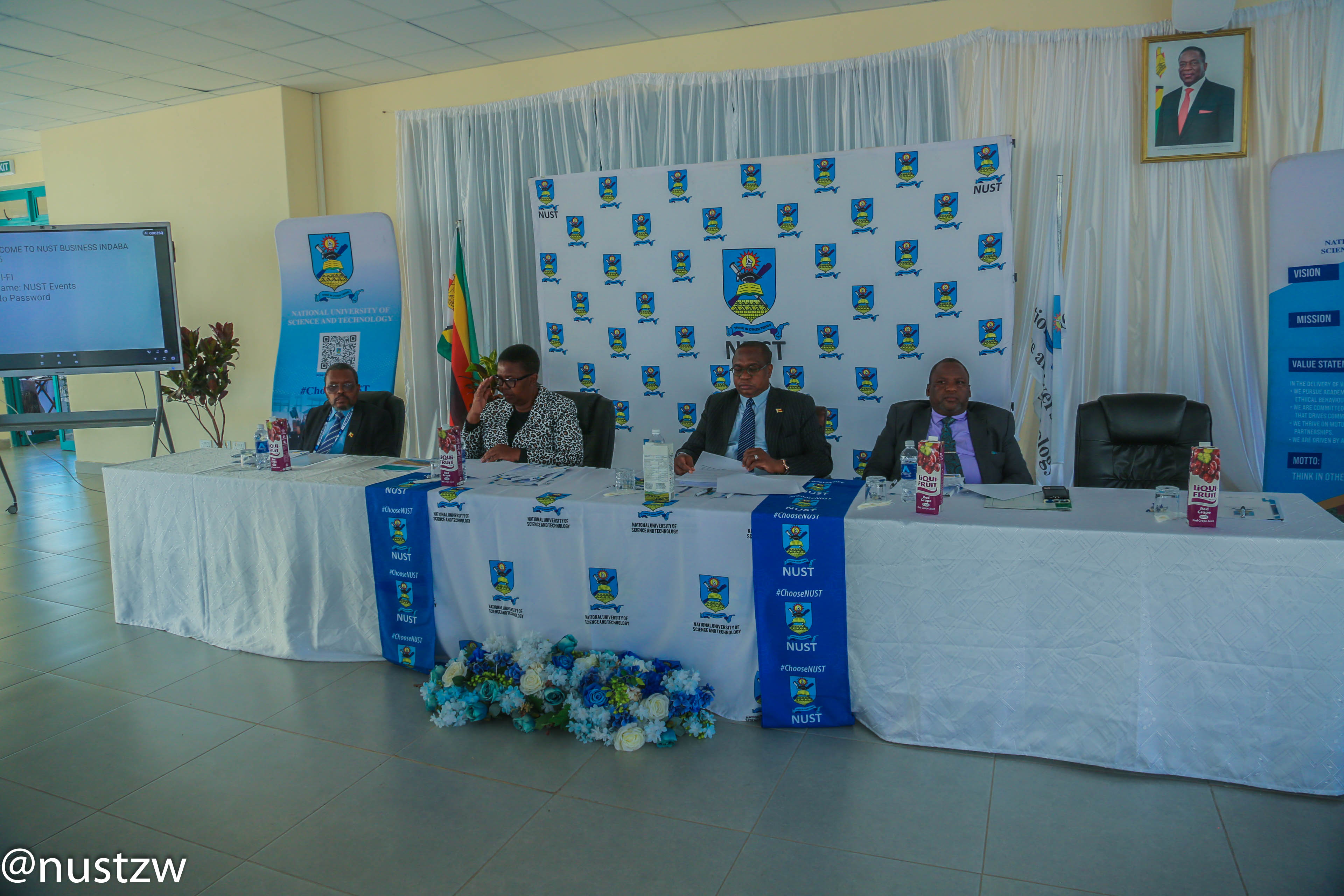
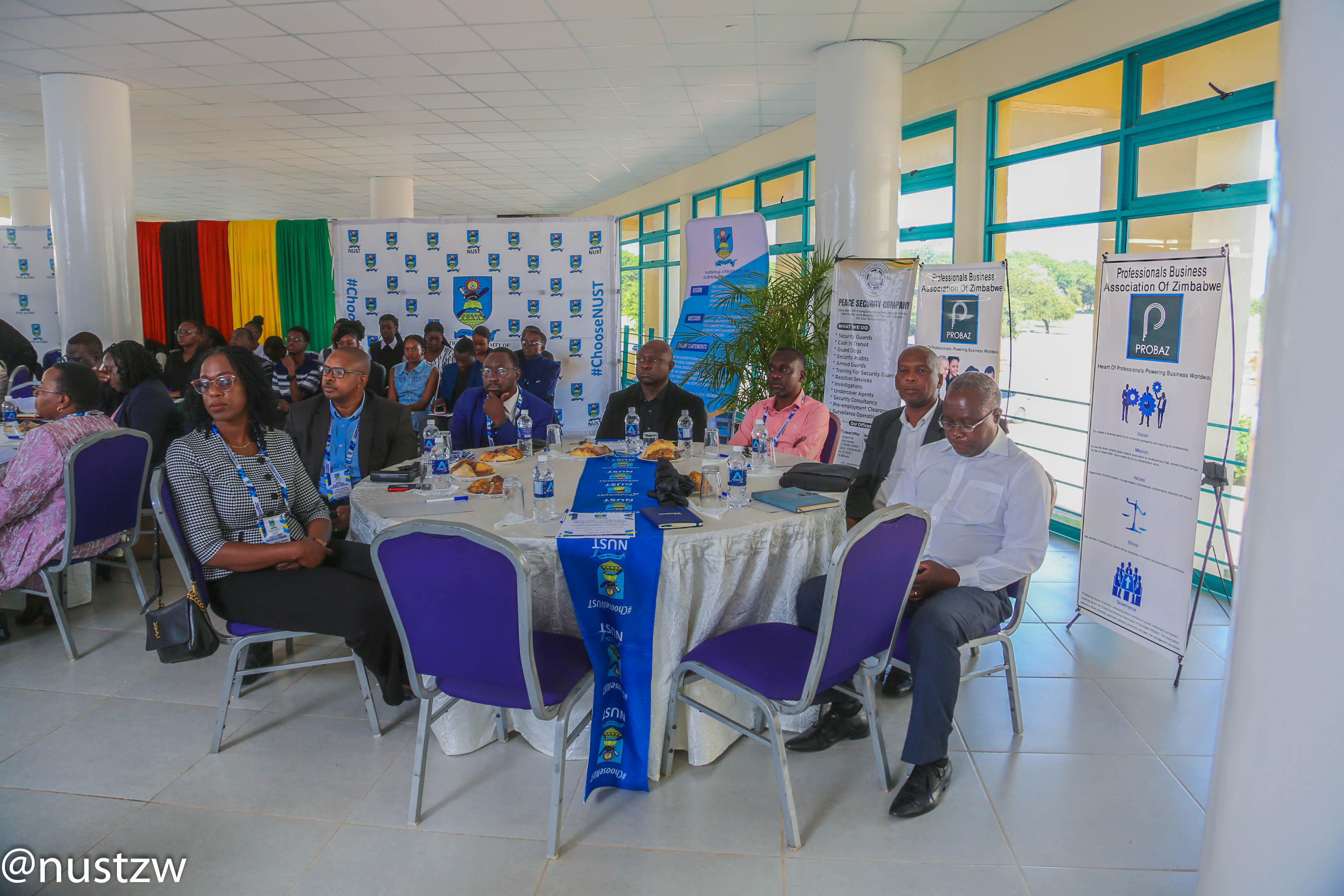
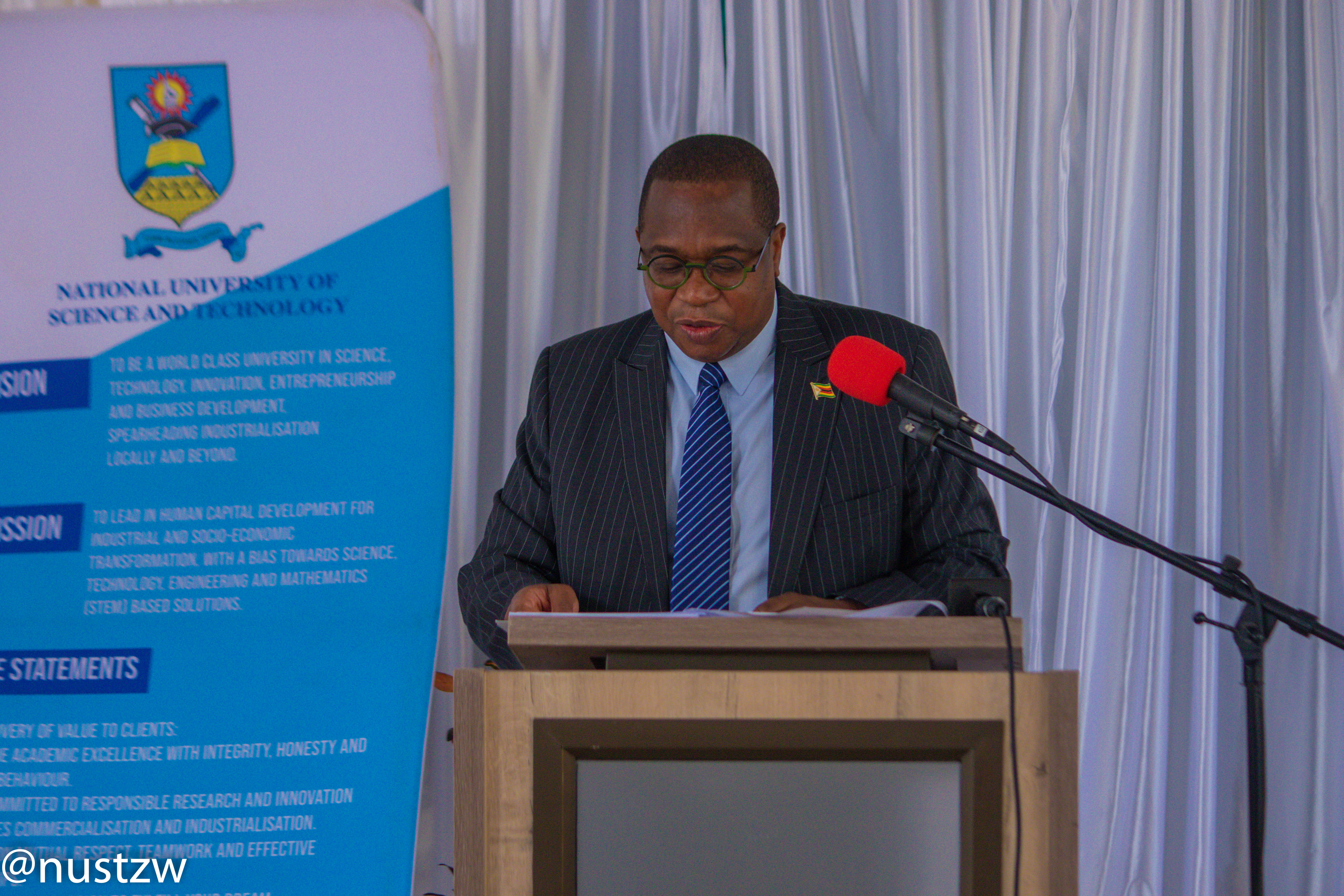



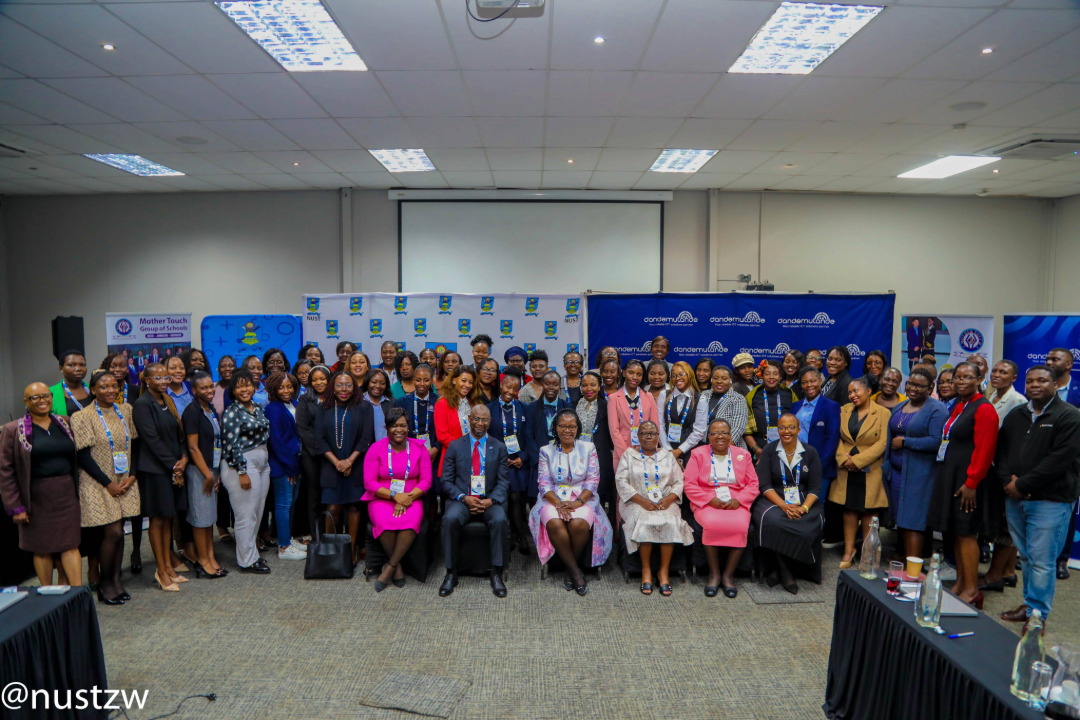
The National University of Science and Technology’s Graduate School of Business Sciences (GSBS), in collaboration with ICT solutions provider Dandemutande Investments (Pvt) Ltd, successfully concluded its second high-impact women's symposium for the year on Thursday, November 20, 2025, at the Cresta Lodge in Harare.

The Graduate School of Business Sciences (GSBS), hosted an engaging breakfast meeting on the 7th of June 2024, to deliberate on emerging trends in international markets.
The event ran under the theme: “Emerging Trends in International Markets: The Collaborative Role of Academia and Industry in Reshaping Global Business Dynamics.”