UHURU FARM VISIT
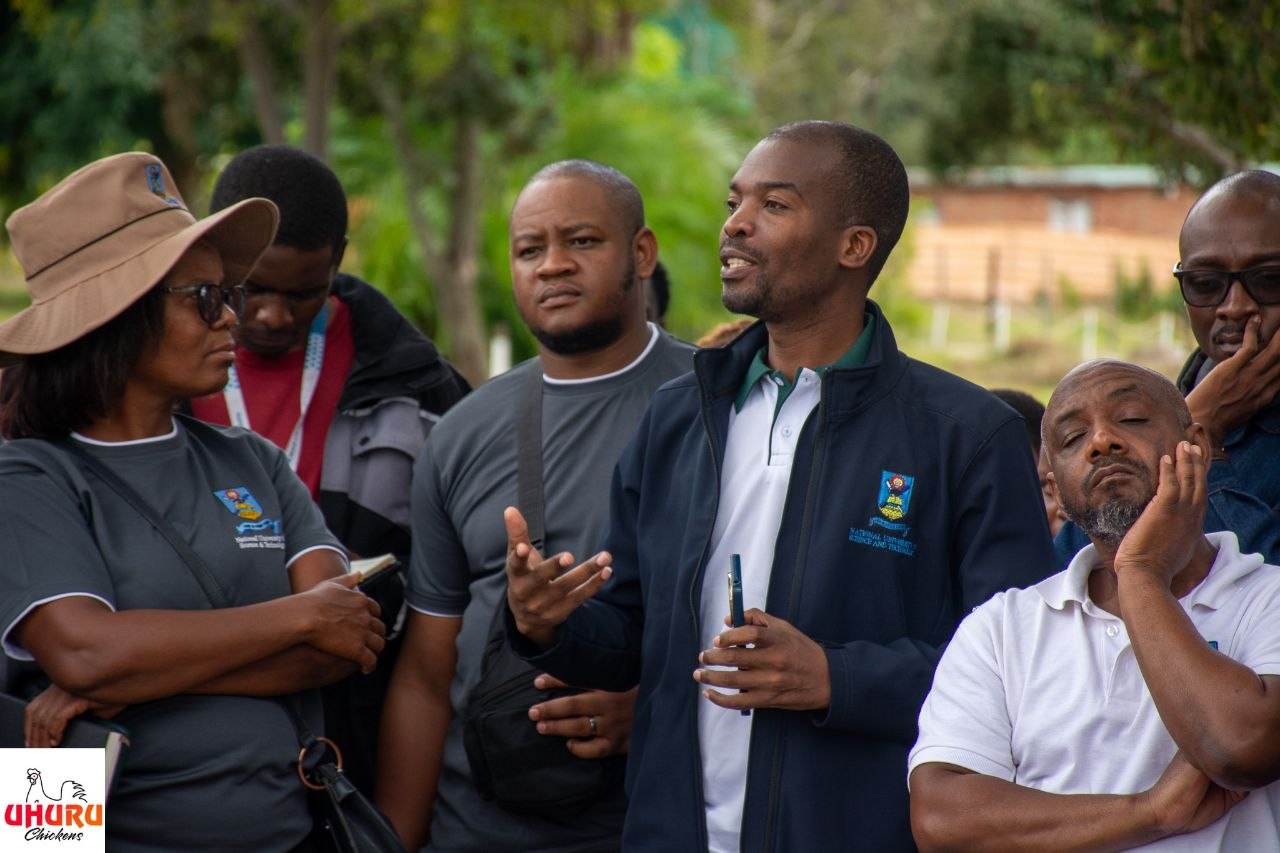
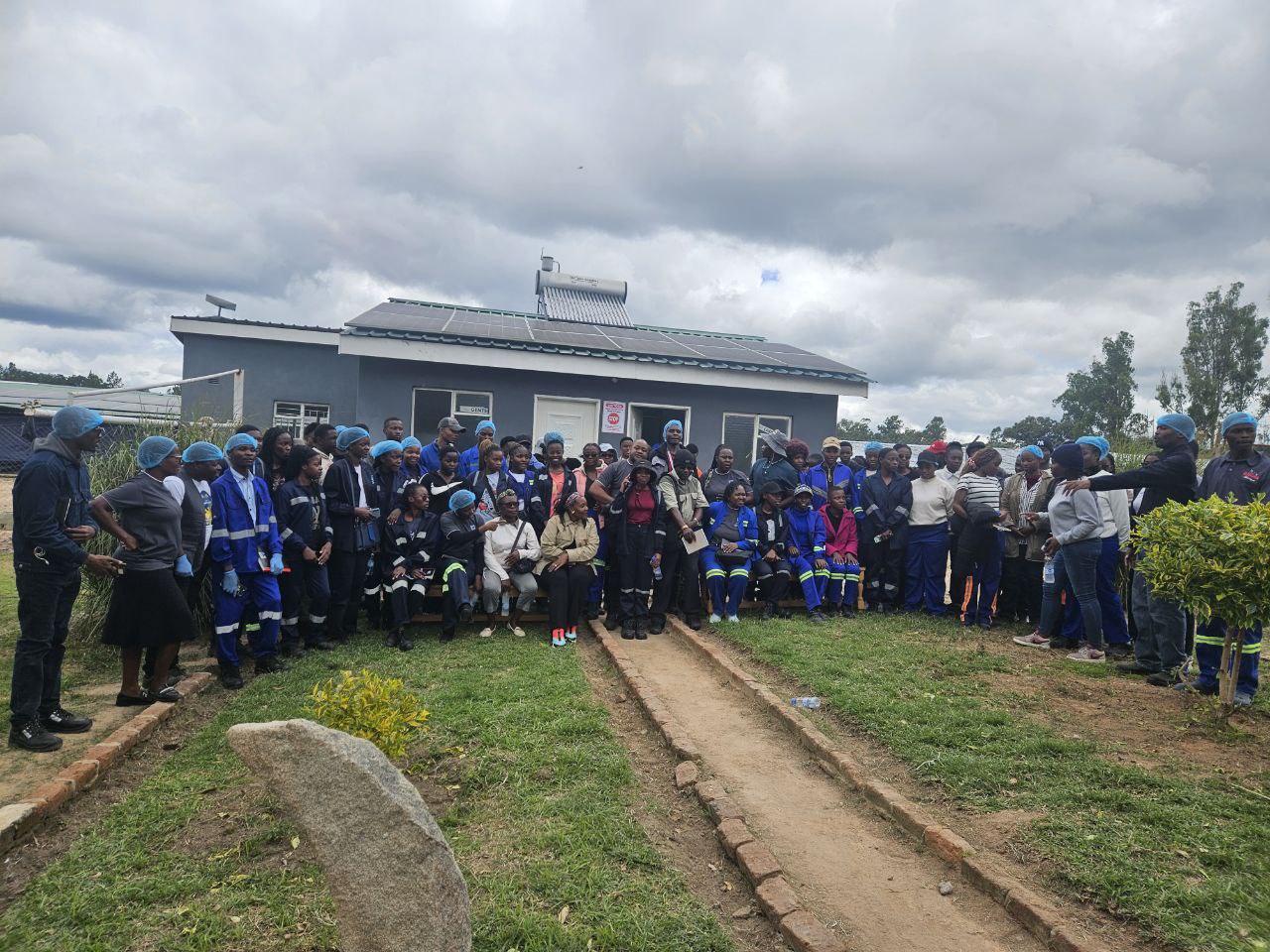
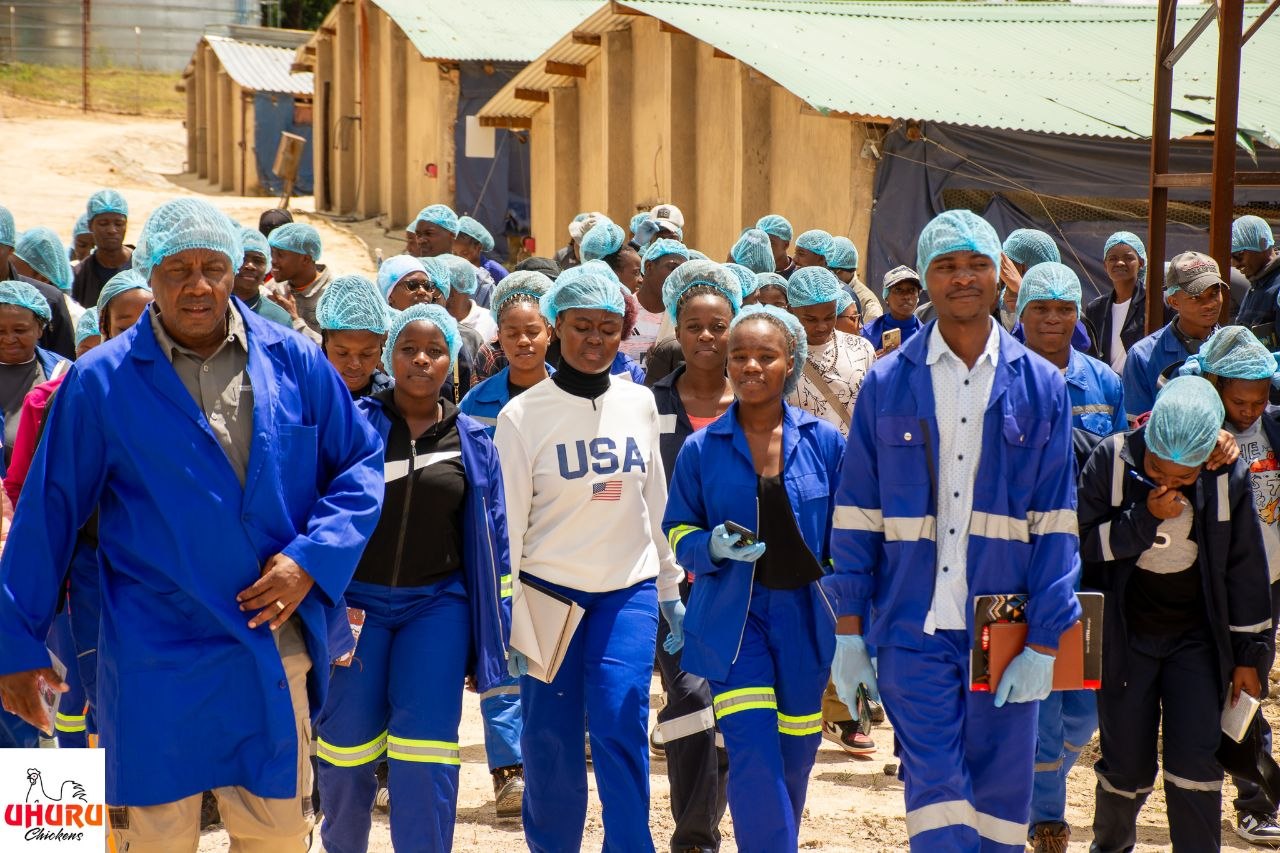
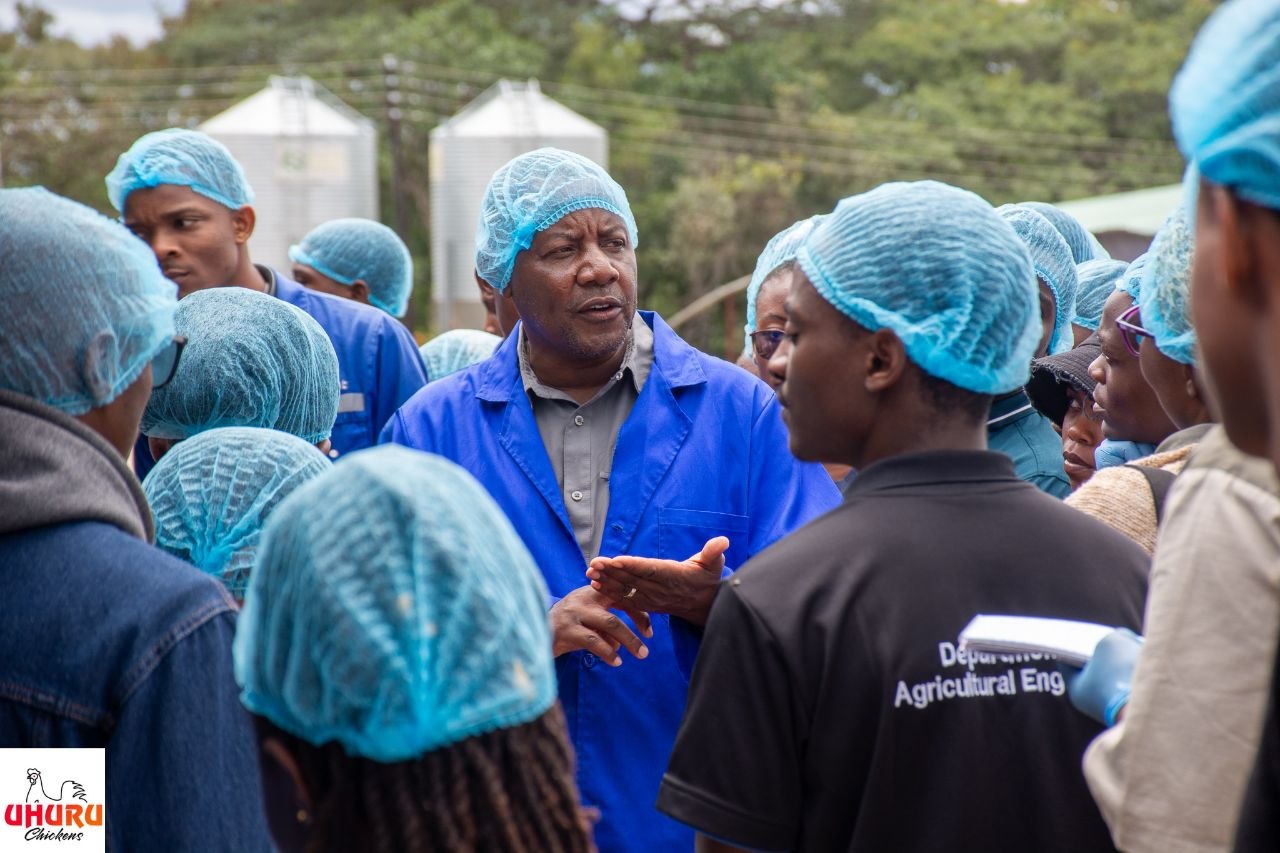
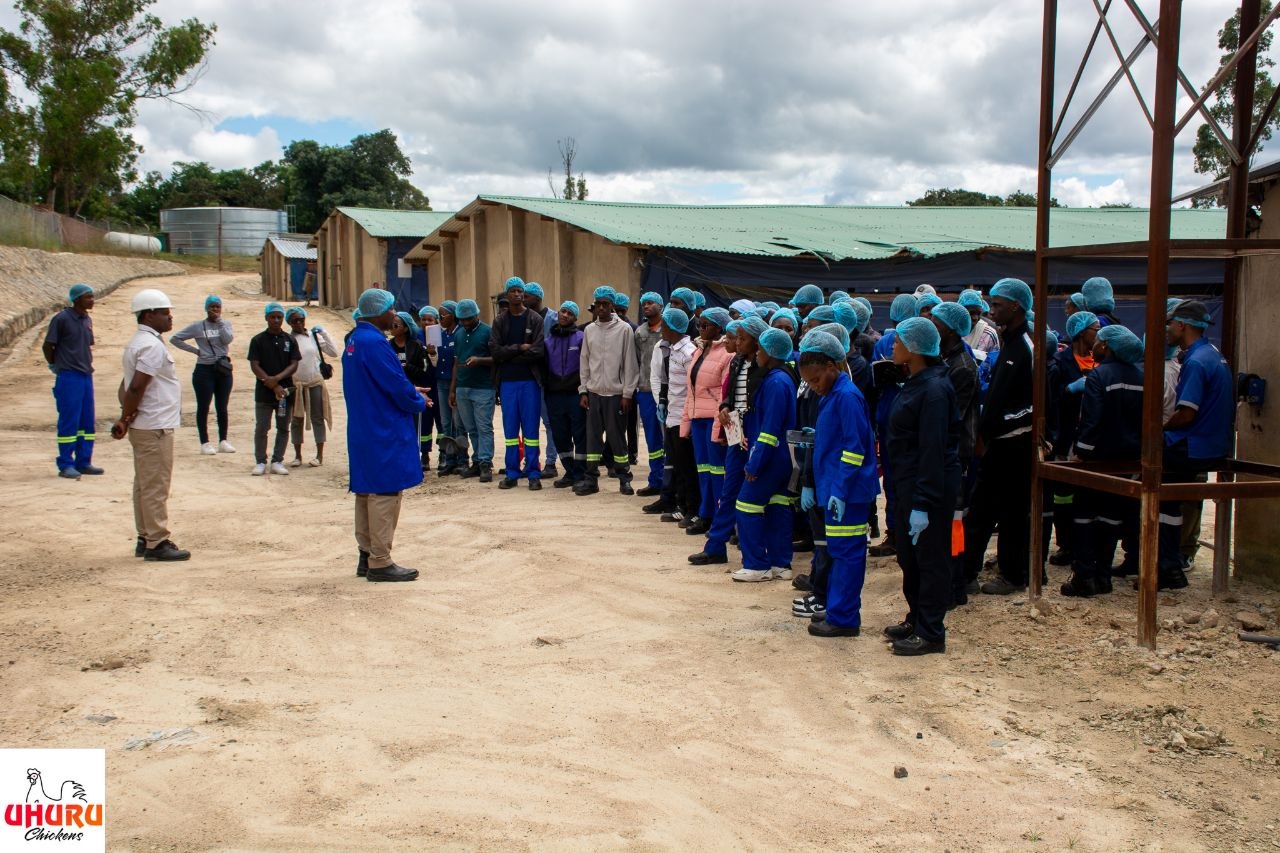
On 12 March 2026, Agricultural Engineering 2025 cohort conducted a structured educational field visit to Uhuru Farm. The primary objective of the trip was to bridge classroom theoretical courses in structural design, farm structures, environmental control, and agricultural logistics with actualized field applications.
The site visit provided the student body with an industrial case study on managing an intensive flock capacity of 100,000 birds. They made engineering assessments regarding farm layout, thermodynamic environmental management, bulk feed storage dynamics, and automated distribution infrastructure.
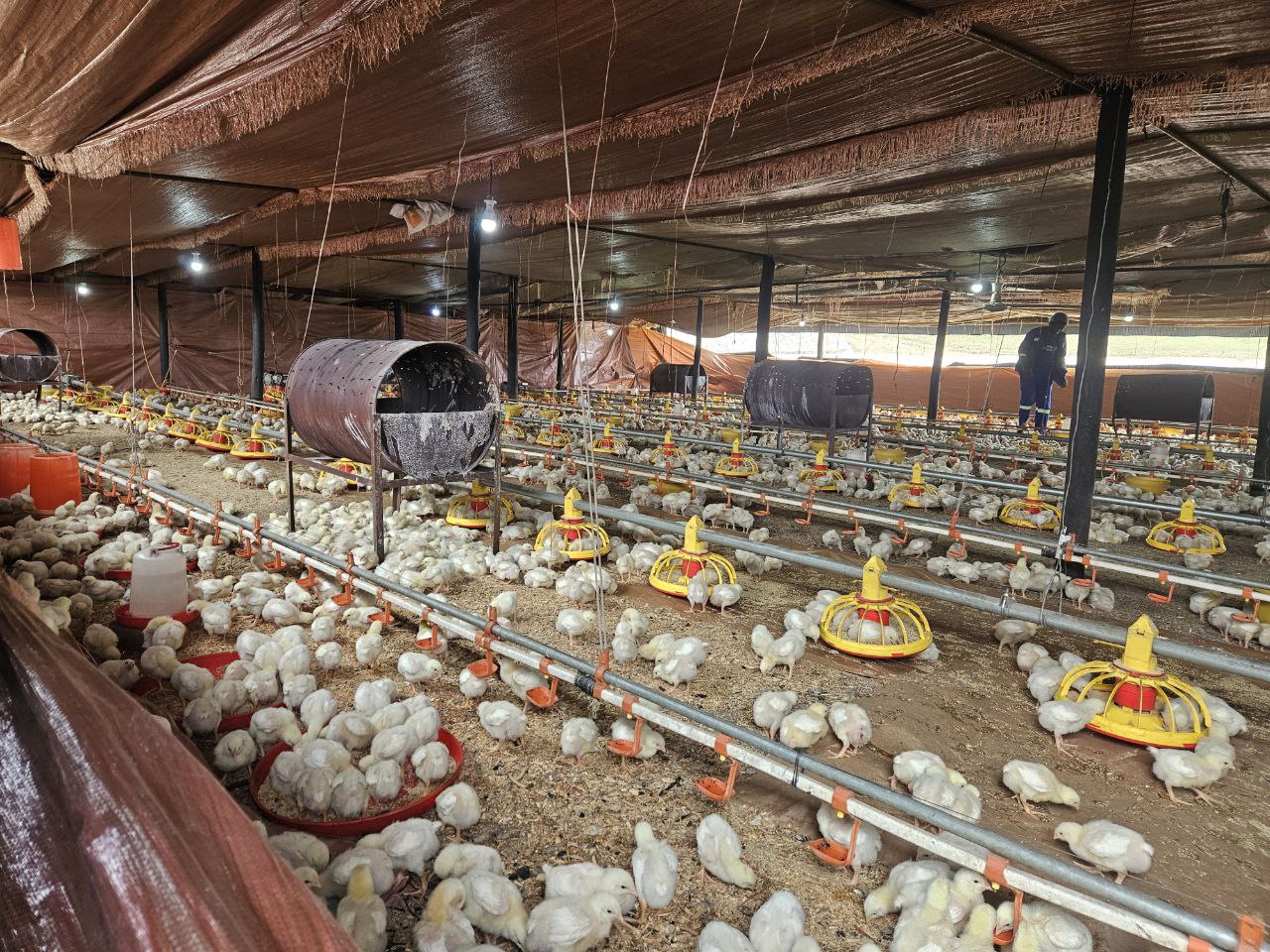
The industrial visit focused on the engineering systems required to sustain a large-scale broiler flock, analysing how structural, thermal, and mechanical designs work together to support intensive poultry production. Structurally, the houses are oriented on a strict east-to-west axis to minimize solar heat load while maximizing natural cross-ventilation. Thermodynamics are managed manually by the farm workers by noticing the behaviour of the flock and also recording the temperatures using digital thermometers for early-stage chick survival. For material handling, bulk feed is protected from moisture and mold in strategically designed storage rooms, before being moved through automated, flexible screw augers to pan dispensers. Finally, hydro-sanitation is maintained via pressurized lines and stainless steel nipple drinkers, ensuring clean water delivery on demand while preventing floor spills to keep the litter dry.
The department extends its sincere appreciation to the management and engineering team at Uhuru Farm for their technical guidance, hospitality, and dedication to training the next generation of agricultural professionals.
Key Takeaways
Biosecurity & layout: Buildings are oriented east-to-west to minimize solar heat. Strict spatial zoning and vehicle disinfection stations prevent disease outbreaks.
Thermodynamic control: Use of charcoal for temperature and humidity control. They manually adjust heaters and curtains to maintain a precise 32°C to 35°C microclimate for vulnerable chicks.
Bulk Feed Storage: Galvanized steel silos feature 60-degree hopper angles to prevent feed from clogging, alongside specialized vents to stop moisture and mold.
Automated Supply Lines: Motorized augers automatically move feed to pan dispensers, while closed nipple-drinker lines provide clean water without spilling.
This trip provided students with real world problems that requires their ingenuity to solve and provide indigenous solutions.