
Mambanjeni Irrigation Scheme - Class of 2027
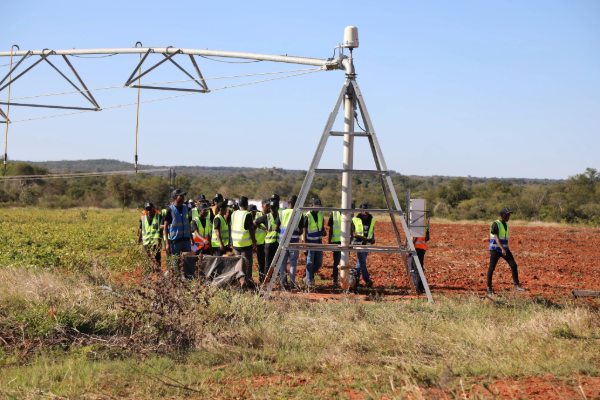
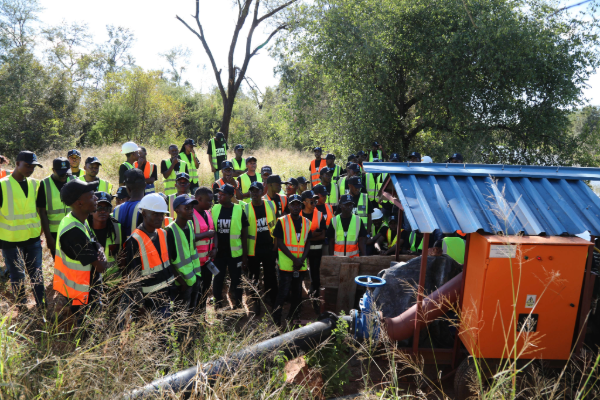
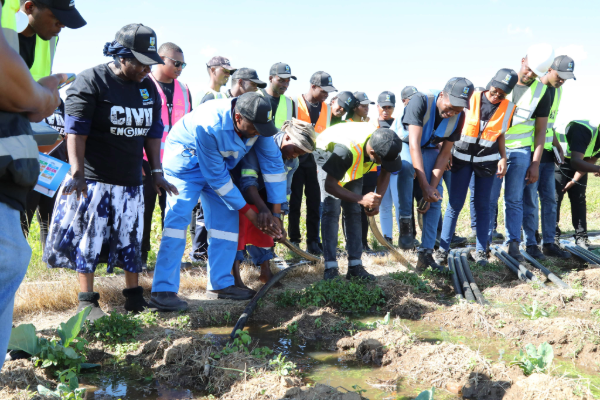
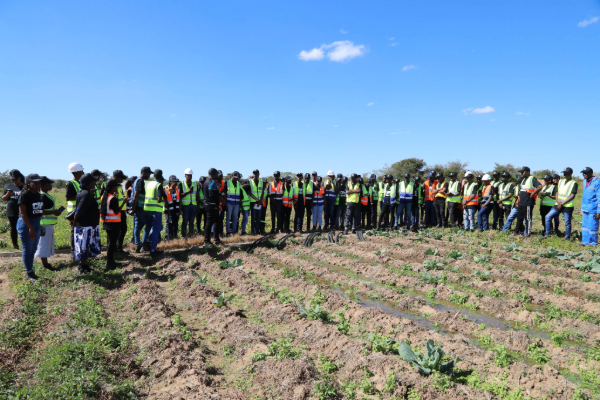
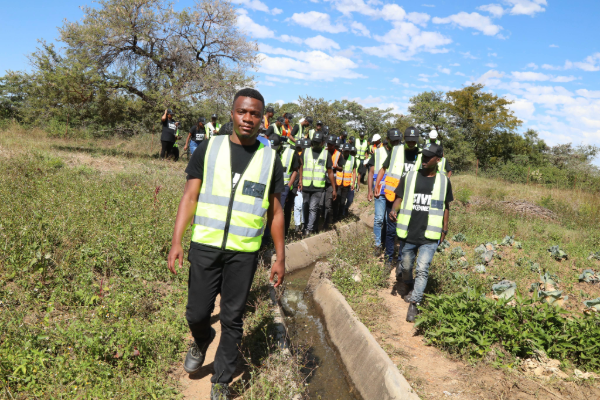
The tour of the Mambanjeni Irrigation Scheme offered the Class of 2027 a detailed view of water resource management in action. The dam and reservoir system illustrated the integration of hydrological analysis and civil construction, with embankment design, spillway capacity, and intake structures all optimised for safe and reliable water supply. Students observed how water is delivered to agricultural fields via a network of carefully graded canals and off-takes that balance flow rates, minimise losses, and ensure consistent distribution.
 |
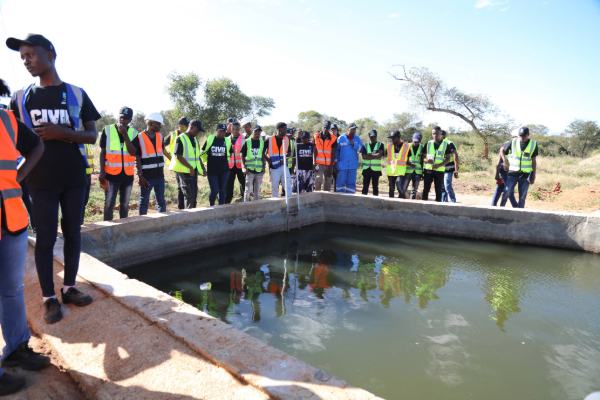 |
Attention to sediment and erosion control was a defining feature of the visit, with students witnessing the use of rip-rap, sediment traps, and bypass channels that protect both the dam and canals from long-term degradation. The management of flow and water levels through hydraulic instrumentation, including flow meters and monitoring stations, underscored the critical role of data in operational decision-making. Night storage ponds offered a practical solution for maintaining a continuous water supply while reducing pressure on primary channels, ensuring reliability and efficiency during peak irrigation periods. The experience emphasised how civil engineering solutions for rural water delivery rely on system thinking, combining hydrological, geotechnical, and hydraulic expertise to optimise both infrastructure performance and agricultural productivity.
 |
 |
 |
 |