
Geo-Pomona Waste-to-Energy Facility - Class of 2027
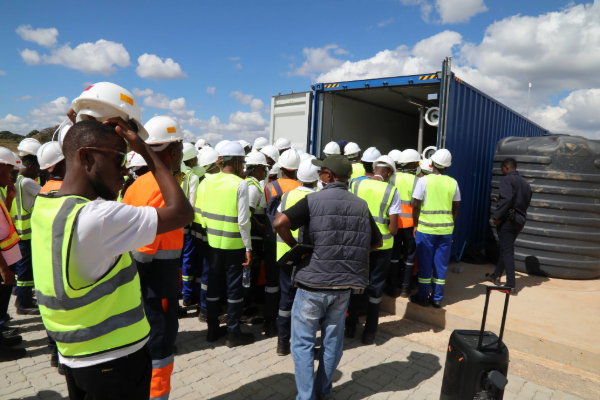
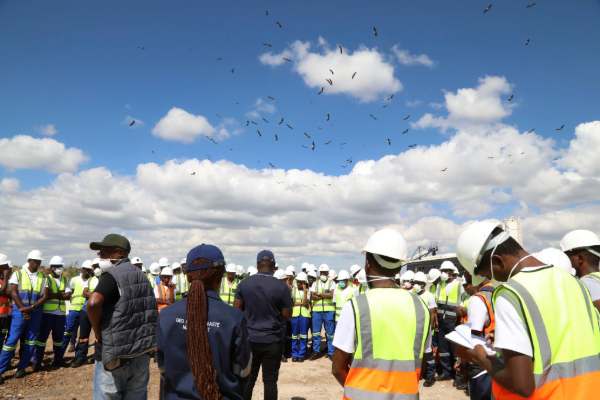
The Civil and Water Engineering Class of 2027 experienced first-hand the transformation of urban waste management at the Geo-Pomona Waste-to-Energy facility, where a former dumpsite has been redeveloped into a highly engineered, environmentally responsible energy-generating site. Students were immersed in the complexity of modern landfill systems, observing how multi-layered HDPE geomembranes and geotextiles create impermeable barriers to protect groundwater from leachate contamination. The network of sloped collection pipes channels this wastewater into treatment plants, preventing toxic liquids from reaching the surrounding environment, while carefully designed soil stabilisation measures ensure that massive waste slopes remain structurally sound and capable of supporting heavy machinery.
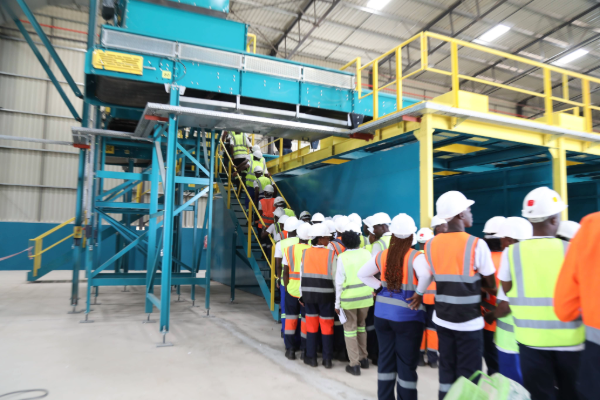
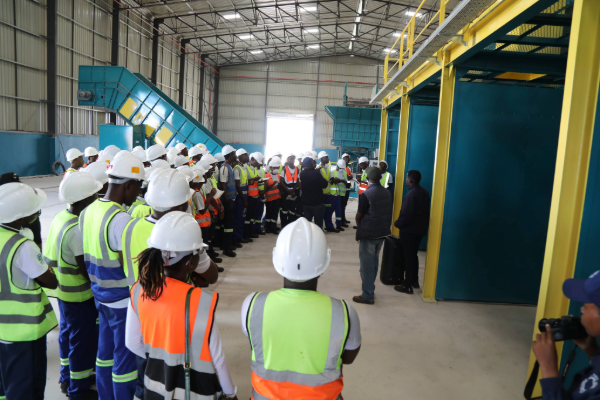
The highlight of the facility is the Waste-to-Energy plant, which converts municipal solid waste into electricity through high-temperature incineration. Students observed the scale and sophistication of the industrial infrastructure, including robust foundations and steel frameworks housing boilers, turbines, and flue-gas cleaning systems. The generated power, integrated seamlessly into the national grid at around 22 MW, demonstrated how civil and water engineering principles intersect with energy systems to deliver sustainable urban solutions. Beyond the core technical systems, the students engaged with the site's environmental management components, witnessing how methane extraction, stormwater diversion channels, and wastewater treatment plants mitigate ecological impacts and support the safe operation of a large-scale landfill. The visit highlighted the logistics of managing a high-volume operation, from daily truck traffic to sorting and recovering recyclables, offering a tangible lesson in how civil engineering contributes to sustainable urban development and remediation of previously polluted land.
 |
 |
 |
 |