
Civil and Water Engineering Class of 2028 Visits Geo-Pomona Waste-to-Energy Plant
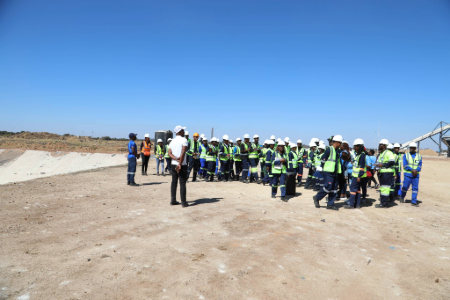
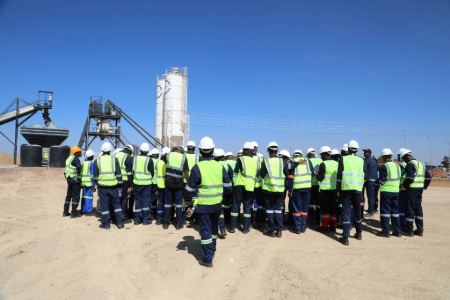
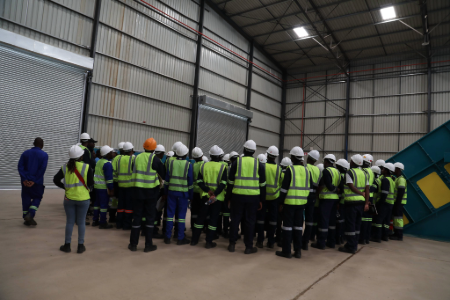
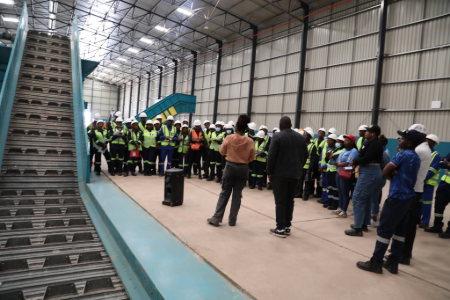
The Civil and Water Engineering Class of 2028 undertook a technical visit to the Geo-Pomona Waste-to-Energy facility, gaining practical exposure to integrated waste management and sustainable infrastructure redevelopment. The site, once a conventional dumpsite, now represents a strategic shift toward engineered environmental protection and resource recovery.
Students examined modern landfill engineering systems, including multi-layer liner assemblies composed of HDPE geomembranes and geotextiles designed to prevent groundwater contamination. They analysed leachate collection networks, sump systems, and on-site treatment processes that control pollutant migration. Slope stability principles and soil compaction techniques used to maintain large waste embankments were also reviewed from a geotechnical perspective.
A major highlight was the Waste-to-Energy plant, where municipal solid waste is processed through thermal incineration to generate electricity. Students studied the structural configuration of heavy industrial buildings, heat recovery systems, and turbine integration expected to supply approximately 22 MW to the national grid. Discussions extended to energy efficiency, emissions control technologies, and the interface between civil infrastructure and power generation systems.
Environmental and hydraulic engineering systems formed a critical part of the visit. Students observed methane gas extraction networks designed to prevent explosive buildup and reduce greenhouse emissions. Stormwater diversion channels and attenuation systems demonstrated how runoff is managed to prevent landfill cell flooding and off-site contamination. Broader engagement covered waste sorting logistics, materials recovery, and lifecycle project management within a multi-million-dollar infrastructure framework.
The visit reinforced the evolving mandate of civil and water engineers in remediation, energy recovery, and climate-responsive urban development.
 |
 |
 |
 |