Civil and Water Engineering Class of 2028 Visits Unki Mine
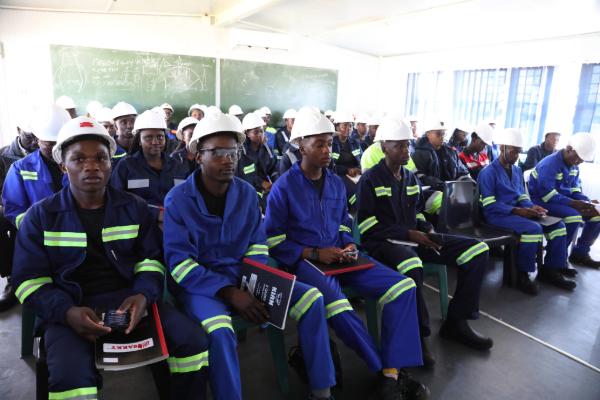
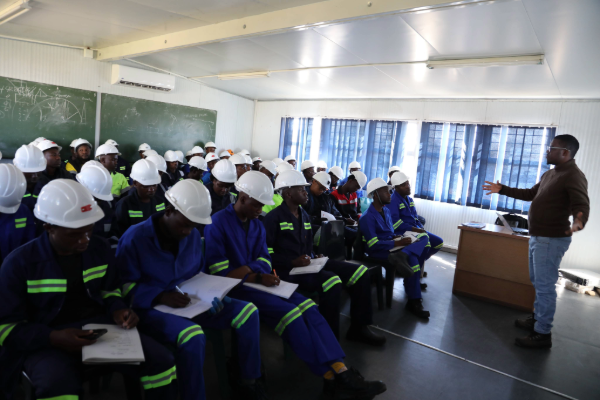
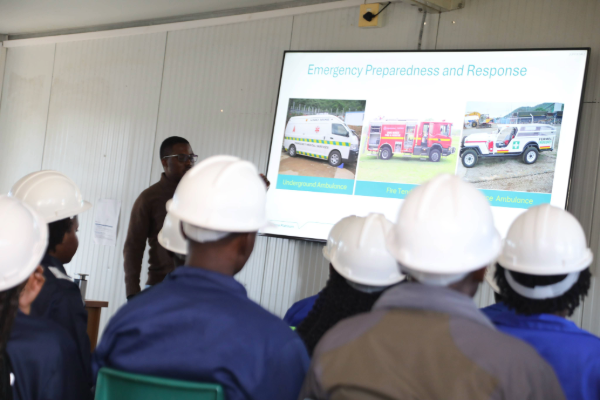
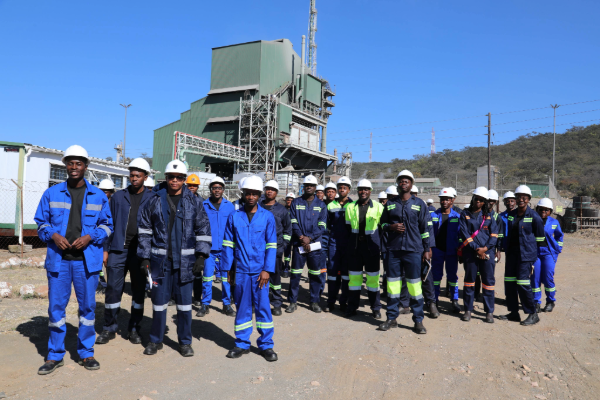
The Class of 2028 further expanded its industrial exposure through a technical tour of Unki Mine, a major platinum operation situated along the Great Dyke. The visit provided a comprehensive understanding of how civil and water engineering supports heavy industry, environmental compliance, and long-term geotechnical stability.
In advanced geotechnical engineering, students examined underground support systems developed for complex rock formations. They studied the structural design of refuge chambers and emergency lifelines engineered to withstand extreme rock pressures while providing life support in critical scenarios.
The Tailings Storage Facility offered detailed insight into modern dam engineering for waste containment. Students evaluated construction methodologies, including upstream, downstream, and centerline approaches, while analysing strategies used to control the phreatic surface within the dam wall. Monitoring systems compliant with the Global Industry Standard on Tailings Management were discussed, including the use of piezometers and satellite-based deformation tracking to detect minute structural movements. HDPE liner systems designed to prevent heavy metal seepage into the Selukwe groundwater system demonstrated the environmental safeguards embedded in modern mining infrastructure.
 |
 |
Industrial structural engineering was explored at the smelter complex. Students analysed load transfer mechanisms within massive reinforced concrete foundations designed to support furnaces and rotating machinery. Emphasis was placed on dynamic loading considerations, vibration control, and thermal expansion management. The application of refractory linings and corrosion-resistant steel illustrated material performance requirements in high-temperature, chemically aggressive environments.
Water and environmental engineering formed another core component of the visit. Students reviewed closed-loop water management strategies in a water-scarce region, including package wastewater treatment plants serving both industrial operations and residential housing. Hydraulic reticulation networks transporting and recycling water through the concentrator plant were examined alongside stormwater diversion systems designed to withstand extreme flood events.
The tour concluded with insight into Unki’s urban infrastructure development in Shurugwi. Students assessed township planning, road construction, water and sewer reticulation, and project management logistics for large-scale housing delivery across challenging terrain.
The combined visits to Geo-Pomona and Unki Mine positioned the Class of 2028 at the forefront of sustainable industrial engineering. They demonstrated that modern civil and water engineering extends beyond conventional infrastructure into environmental stewardship, digital monitoring, and resilient system design that underpins national development.
 |
 |